Bed Bug Exterminator for Hotels with Thorough Results
Bed Bugs: Inspection Strategies and the Importance of Heat Treatment
Bed bugs remain a continual struggle for many families. Thorough inspection techniques are critical for prompt detection and treatment. Recognizing important indicators, employing the right equipment, and understanding where to search can significantly influence the outcome of elimination attempts. Within the range of treatment options, heat treatment excels due to its proven effectiveness and safe application. Understanding the intricacies of inspection and treatment could make the difference in tackling these resilient pests. What measures should homeowners follow to ensure their property remains free of bed bugs?
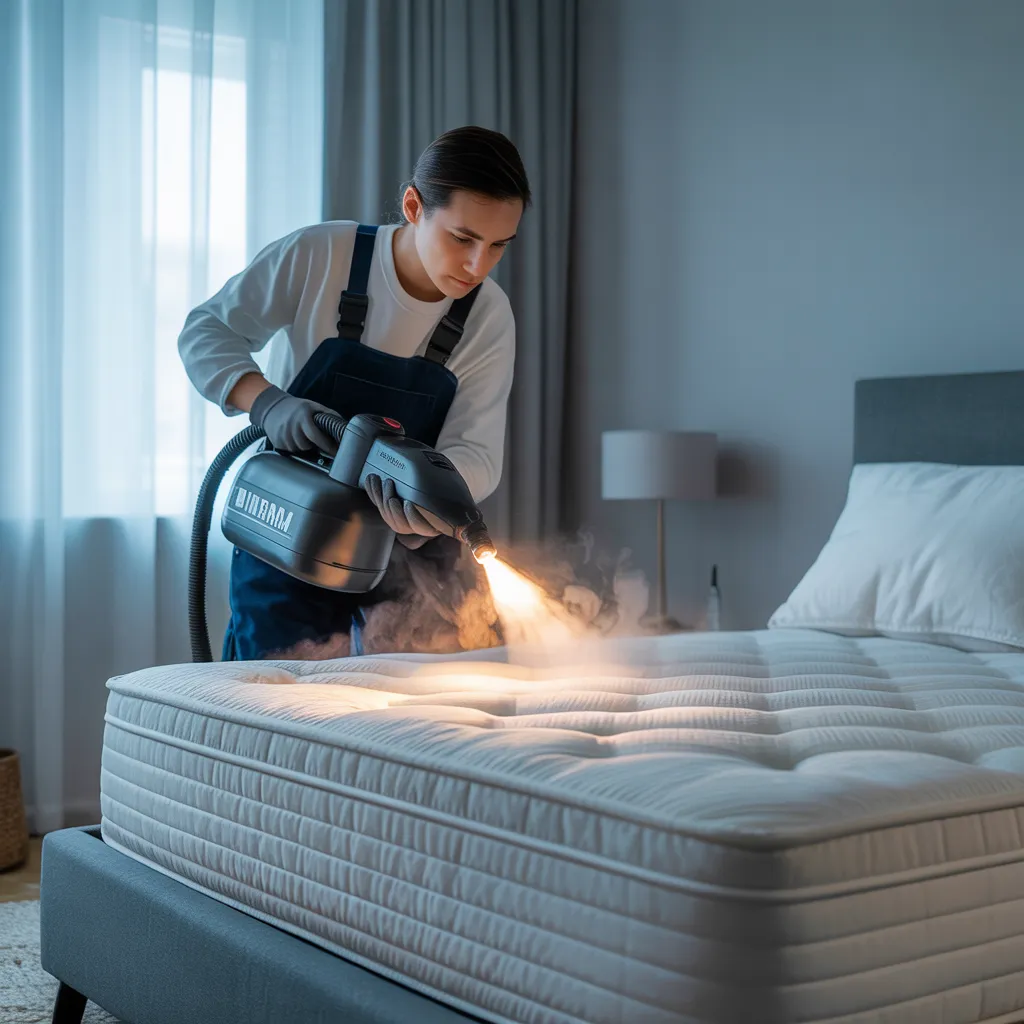
Spotting Bed Bug Infestations: Critical Signs to Look Out For
How can one effectively identify a bed bug infestation? Identifying the indicators is crucial for timely detection and control. Bed bugs frequently leave behind physical traces, including tiny, reddish-brown marks on bedding or furniture, which are the result of digested blood. Additionally, one might find tiny, dark spots on sheets and mattresses; these are fecal matter left by the insects. Active bed bugs, generally comparable in size to an apple seed, can often be found hiding in crevices near beds, headboards, or furniture. Another telltale sign is the presence of shed exoskeletons, which indicate molting. Unpleasant, musty odors can emanate from heavily infested areas, further signaling their presence. Being conscious of these warning signs is key to successful pest control and can assist in limiting the spread of bed bugs throughout living environments. Timely identification can greatly reduce the discomfort and inconvenience associated with infestations.
Supplies Needed for Your Bed Bug Inspection
Successful bed bug inspections depend on particular tools that improve the chances of identifying these hard-to-find pests. Essential items include a flashlight, which illuminates dark areas where bed bugs may hide. A magnifying glass can help identify smaller signs of infestation, such as eggs or shed skins. Inspectors are advised to use a rigid brush to loosen bed bugs from gaps and seams, enabling more efficient identification.
Moreover, a vacuum with a hose attachment is invaluable for eliminating insects and their eggs. Airtight bags or containers are needed for securing samples for additional study. A bed bug monitor, created to lure and capture these insects, can also assist with the inspection process. Finally, a checklist can help confirm full examination of all potential hiding spots, including furniture, mattresses, and baseboards. Together, these tools establish a thorough strategy for effectively identifying bed bug infestations.
How to Inspect Your Home for Bed Bugs: A Step-by-Step Guide
A detailed home inspection for bed bugs is important for early detection and prevention of infestations. To start, the pest control professional should collect required tools such as a flashlight, loupe, and sealed bags for storing samples. Commencing in the bedroom, the pest control professional should thoroughly check the bed frames, mattress seams, and headboards, paying special attention to any shed skins or dark spots. Next, they should inspect nearby furniture, including nightstands and dressers, checking drawers and corners.
Moving beyond the bedroom, the inspector should also evaluate other areas like sofas, carpets, and baseboards. It is critical to look behind wall outlets and hanging frames, as these can be likely harborage areas. Throughout the inspection, any signs of bed bug activity should be recorded for additional analysis. Ultimately, a meticulous approach during the inspection can substantially assist in recognizing and managing potential bed bug infestations early.
Key Hiding Areas for Bed Bugs: Where to Inspect
Pinpointing the most common hiding locations for bed bugs plays a crucial role in successful detection and removal. These pests are notorious for their ability to conceal themselves in various locations. Common hiding spots include seams of mattresses and box springs, where they can readily reach their sleeping hosts. Bed frames, especially around joints and crevices, are equally favored hiding areas.
Furthermore, bed bugs often reside in furniture, such as nightstands or sofas, especially in cracks and underneath cushions. Behind baseboards and within electrical outlets are additional common spots where these pests tend to hide. Luggage and closets, especially following travel, can also develop into harborage sites. Regular inspection of these areas is necessary for swift detection and containment. Understanding of these harborage locations helps residents pursue preventative strategies in combating potential infestations.
The Way Heat Treatment Works to Get Rid of Bed Bugs
Heat treatment emerges as an effective approach for getting rid of bed bugs as well as their eggs. This method works by elevating the temperature in affected areas to a fatal degree, typically between 120°F and 140°F. Bed bugs cannot survive these elevated temperatures, which disrupt their physiological functions.
During the treatment, specialized machinery is employed to guarantee that warmth infiltrates every potential harborage point, including mattresses, furniture, and wall crevices. It is critical to keep this intense heat for a predetermined length of time, generally lasting about 90 minutes, to achieve full extermination.
Heat treatment not only targets adult bed bugs but also effectively kills eggs, preventing future infestations. Additionally, this method eliminates the need for chemical pesticides, making it an environmentally friendly option. Through the use of heat treatment, property owners can attain comprehensive and long-lasting outcomes, significantly lowering the chances of bed bugs returning.
How Heat Treatment Proves Superior to Traditional Bed Bug Methods
Heat treatment offers a superior approach to bed bug eradication compared to traditional methods. It not only guarantees thorough pest elimination but also presents an environmentally friendly solution that minimizes chemical use. Additionally, the long-lasting results of heat treatment can greatly reduce the likelihood of future infestations.
Thorough Pest Elimination
In terms of eradicating bed bugs, advanced methods like heat treatment have become better options than traditional approaches. Heat treatment effectively raises the temperature of infested areas to temperatures deadly to bed bugs at all life stages, including eggs. This method eliminates the pests eliminating the requirement for chemical pesticides, which can deposit harmful remnants and necessitate multiple applications. As opposed to standard techniques, which often depend on targeted sprays, heat treatment encompasses entire rooms, ensuring comprehensive pest removal. Additionally, it can lower the chances of reinfestation by eliminating hidden infestations find the facts and unreachable zones. As a result, heat treatment not only improves the effectiveness of pest control efforts but also reduces the disruption caused by repeated treatments.
Eco-Friendly Solution
A eco-conscious approach to bed bug infestations has grown in popularity over recent years, most notably through the growing adoption of heat treatment procedures. As opposed to standard chemical-based treatments, heat treatment employs high temperatures to eradicate bed bugs across all life stages without releasing dangerous substances into the environment. This technique not only lessens the dependency on pesticides but also lowers the chance of chemical resistance forming within bed bug populations. Furthermore, heat treatment proves safer for humans and pets alike, as it eliminates the possible side effects linked to chemical exposure. By leveraging the inherent power of heat, this method delivers an efficient and sustainable solution for addressing bed bug problems, consistent with the rising environmental awareness in pest control practices.
Lasting Results
Using heat treatment not only addresses bed bug infestations in an environmentally friendly manner but also provides enduring outcomes that traditional methods often lack. In contrast to chemical solutions, which frequently demand successive applications and can lead to pesticide resistance, heat treatment thoroughly eliminates all life stages of bed bugs, including eggs. Through elevating temperatures to deadly levels for these insects, heat treatment offers an all-encompassing solution that minimizes the likelihood of re-infestation. Furthermore, it removes the requirement for toxic substances, ensuring greater safety for residents. Consequently, heat treatment emerges as a more eco-conscious and reliable method in addressing bed bug concerns, delivering lasting comfort and a bug-free living space over time.
Preparing Your Home for Heat Treatment
Readying a home for heat treatment involves key steps to ensure effectiveness. It is vital to clear cluttered areas to facilitate proper air circulation and access during the heat treatment process. Furthermore, clearing away heat-sensitive items preserves valuables and prevents harm from increased heat levels.
Remove Cluttered Spaces
Disorganized spaces can significantly hinder the success of heat treatment for bed bug issues. When getting ready a home, it is essential to clear out unnecessary items from spaces, especially those where bed bugs are believed to be present. Disorganization creates shelter for bed bugs, making it challenging for heat to spread and eradicate them completely. By clearing out unnecessary items, homeowners enable better air circulation and consistent temperature distribution during treatment. This measure not only assists in the removal process but also enables a more detailed assessment by pest control specialists. Additionally, preserving clutter-free areas post-treatment helps in early detection and prevention of future pest problems, making it a critical step in addressing bed bug concerns effectively.
Remove Heat-Vulnerable Belongings
Numerous homeowners fail to recognize the significance of removing heat-sensitive items when preparing for heat treatment against bed bugs. This essential step can safeguard valuable possessions, such as electronics, artwork, and certain types of furniture. Heat treatment involves raising temperatures considerably, often exceeding 120°F, which can damage or ruin items that are not designed for high temperatures. It is wise to transfer heat-sensitive belongings to a cooler location or another location entirely. Additionally, homeowners should seek guidance from pest management experts to pinpoint items that should be relocated. By following this important step, homeowners can maximize the success of the heat treatment while preserving their belongings, ultimately leading to a successful eradication of bed bugs. Proper preparation is key to a smooth and effective pest control process.
Commonly Asked Questions
Can Bed Bugs Survive in Cold Temperatures?
Bed bugs cannot tolerate severely cold temperatures. Several days of exposure to freezing temperatures will generally eliminate them. However, they can endure mild cold, remaining dormant until temperatures rise, allowing them to resume feeding and breeding.
How Quickly Can Bed Bugs Reproduce?
Bed bugs multiply at an exceptionally rapid pace, typically laying up to five eggs daily. When conditions are favorable, one female is capable of generating hundreds of young within several months, leading to swift infestations when left unaddressed.
Are Bed Bugs Harmful to Pets?
Bed bugs are not naturally dangerous to pets, but their bites can cause discomfort and irritation. In addition, pets can unknowingly carry bed bugs, leading to infestations within the home if left unchecked.
What Steps Should I Take if I Find Bed Bugs?
After finding bed bugs, homeowners should without delay quarantine the contaminated items, completely sanitize the space, and contact a licensed exterminator for proven elimination strategies, ensuring the infestation is addressed quickly and effectively to minimize the risk of expansion.
What Steps Can I Take to Prevent Future Infestations?
To prevent future infestations, it is important to periodically examine sleeping areas, fill in cracks and crevices, maintain cleanliness, reduce clutter, utilize mattress encasements, and inspect used items prior to bringing them indoors. Vigilance is key.